- Home
- Asia Tours
- CET-VN-01
Vietnam North to South Educational Tour
This 10-day educational journey takes students through Vietnam's rich heritage, from Hanoi's Old Quarter and water puppetry to Ninh Binh's karst landscapes and Hoi An's lantern-making. Highlights include the Cu Chi Tunnels, French colonial sites, and hands-on experiences like bamboo boat rides and cooking classes. Perfect for immersive learning about Vietnam's history, culture, and resilience.
Itinerary at a Glance
| Day | Location | Highlights |
|---|---|---|
| D1 | Hanoi | Arrive and check into the hotel, attend schedule review meeting |
| D2 | Hanoi | Stroll ancient commercial streets with Sino-French architecture, visit thousand-year-old scholarly temple with stone stelae, tour colonial prison museum, watch traditional water puppet show |
| D3 | Hanoi | Pay respects at revolutionary mausoleum, view wartime bomber wreckage by lake, taste fusion food at training restaurant, admire French colonial architecture, relax by historic lake at dusk |
| D4 | Ninh Binh | Cycle through karst terrain and rice terraces, observe rural village life, take rowboat to explore karst caves |
| D5 | Ninh Binh | Visit ancient wooden-structured Buddhist pagoda, climb to karst viewing platform for panoramic views, explore ancient imperial citadel and learn dynastic defensive wisdom |
| D6 | Hoi An | Walk ancient Silk Road trading town, experience traditional pottery making, paint ceramic patterns, handcraft traditional lanterns |
| D7 | Hoi An | Cycle to coastal mangrove beach, take bamboo basket boat through water canals, learn local farming life, make Vietnamese specialty dishes, Optional: afternoon visit local tailor shop |
| D8 | Hoi An | Join ancient street race challenge with Q&A and photo tasks, climb rocky mountain to explore Buddhist temples |
| D9 | Ho Chi Minh City | Fly to city, admire Gothic-style colonial post office, visit French church with sacred statue, stroll colonial street with arcades and snack stalls, tour historical palace and watch war documentary, taste local cuisine |
| D10 | Ho Chi Minh City | Explore wartime underground tunnel network, watch promotional video, learn about booby traps and homemade weapons, Optional: visit local market for souvenirs, check out and depart, transfer to airport |
Trip Highlights
- Explore ancient towns and colonial sites on foot
- Take bamboo basket boats through mangroves
- Make pottery and assemble lanterns by hand
- Hike to view karst landscapes from platforms
- Tour underground tunnels and learn war-era wisdom
Tour Essentials

Quality
No Shopping Traps

Group Type
Private

Tour Focus
Education, Culture, History

Accommodation
Nights:9

Best Season
Spring, Summer, Autumn, Winter
Full itinerary for Vietnam North to South Educational Tour
When the students get to Hanoi International Airport, our tour guide will meet them and take them to the hotel to check in. We'll have a short meeting later to go over the schedule and make sure everyone knows what to expect on the trip.
Kick off the day by visiting 36 Old Streets (Hoan Kiem District). It serves as the core of Hanoi's Old Town and is also among the oldest commercial streets in Southeast Asia. Traditional trades give names to each street here—like Silk Street, Silverware Street and Lantern Street. Lined with old buildings that mix strong French style and unique Vietnamese local traits, the narrow lanes are full of life. Then we go to the Temple of Literature, which is a thousand-year-old building that shows off old traditions. Students can see stone stelae here with the names of smart people who did well on hard Confucian tests.
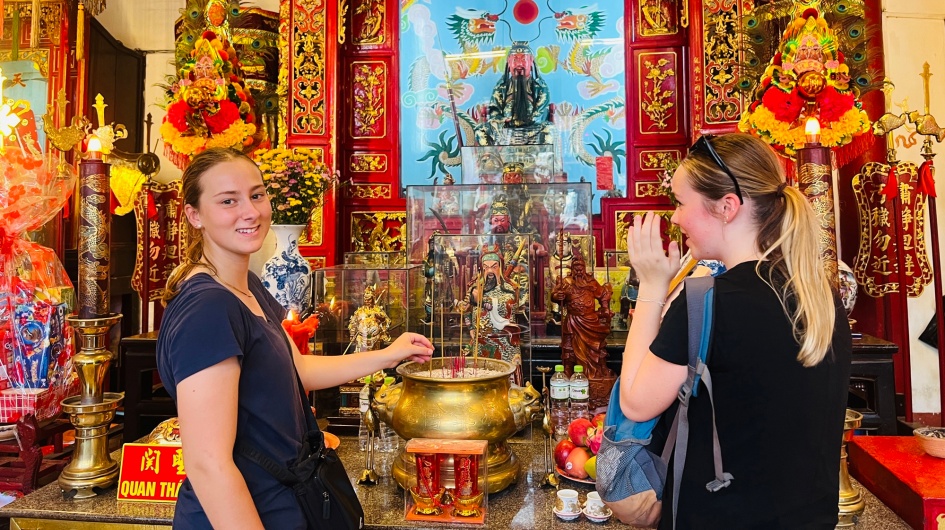 Experience the ancestral hall culture
Afternoon, head to the Hoa Lo Prison Museum right after lunch. Built by the French colonial government in the late 19th century, this prison has a French colonial-style design. Most of the original prison was torn down, yet a small part was preserved and turned into a museum.
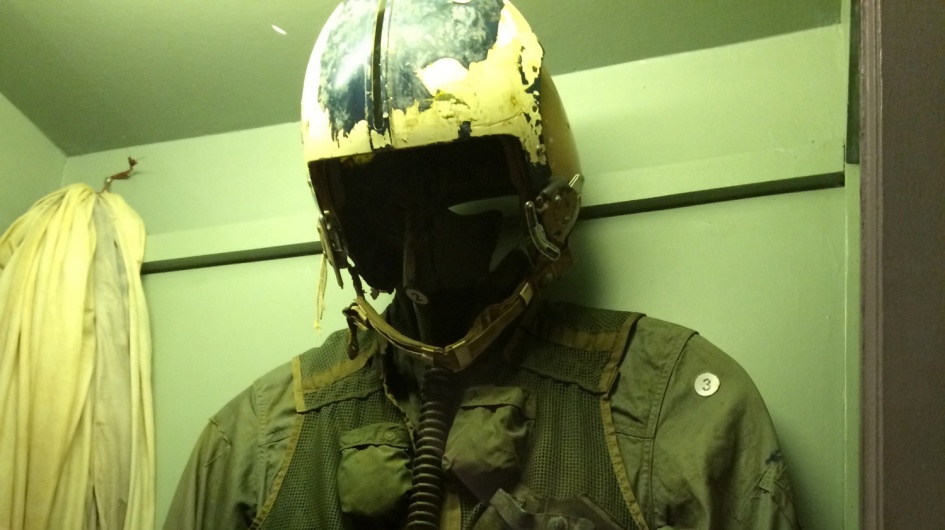 The soldiers' uniforms on display in the Hoa Lo Prison Museum
End with a visit to the Water Puppet Theatre to see traditional Vietnamese folk art. Vietnam's national intangible cultural heritage is water puppetry, which dates back to the 11th century. During the show, puppets tell different folk stories on the water while traditional musical instruments play along. It has a lot of strong Vietnamese folk style and is lively.
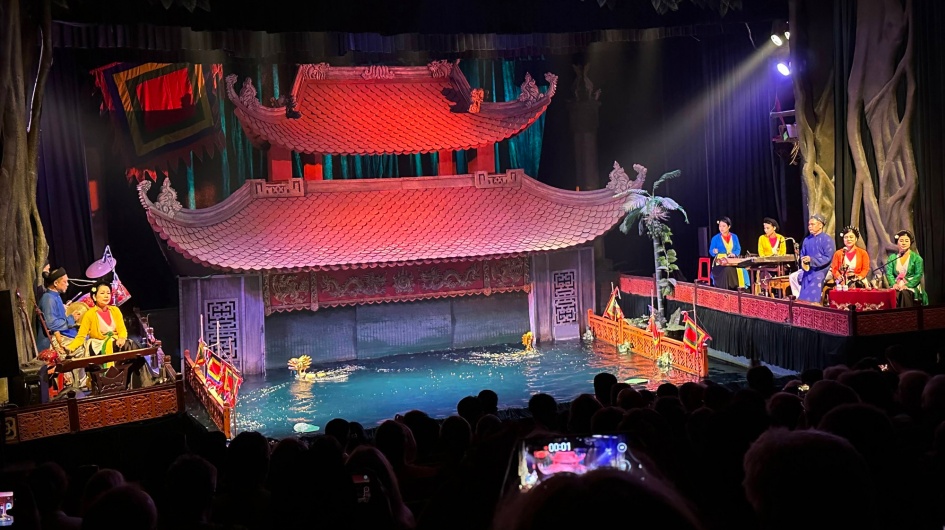 Water puppetry
Your Journey's Rewards:
Experience folk culture through real water puppetry. Explore Hanoi's old-town charm, and find traditional crafts and street food. Learn Vietnam's scholarly history from temple stelae. Get to know colonial and independence stories at the prison museum.
Educational Focus:
Water puppetry is a key part of Vietnam's intangible cultural heritage. It started in the 11th century, tells stories on water and uses traditional music for performances. How does it show Vietnam's special folk values and cultural identity—different from other Southeast Asian traditional art forms?
Takeaway:
Water puppetry shows Vietnam's folk values by focusing on local folk stories. These stories pass on community ethics, historical memories and daily life wisdom—their plots come from Vietnamese people's life experiences, showing respect for tradition and unity in the community.
Culturally, its water-based performances are tied to Vietnam's many rivers. Traditional musical instruments are used for accompaniment, making it an art form that only Vietnam has. Unlike some Southeast Asian arts affected by Hindu-Buddhist myths, it focuses on local tales. This makes it a carrier of Vietnam's unique cultural identity, keeping and passing the nation's cultural core to future generations.
Thought Challenge:
Water puppetry's survival and passing down depend a lot on its link to Vietnam's traditional life and values. So how could modernization's changing speed—like Studentsng people's different entertainment choices and less folk story sharing in daily life—impact its ability to keep showing and shaping Vietnam's cultural identity later?
Begin the morning at the Ho Chi Minh Mausoleum, which sits on Ba Dinh Square in central Hanoi. Former Soviet architects designed it, and it uses the "Socialist Realism" style—just like Lenin's Mausoleum. It's 320 meters long, 100 meters wide, 21.6 meters high, and has three floors total.
Ho Chi Minh's body is in a crystal coffin for people to see. This is a key part of the visit, letting people respect this Vietnamese revolutionary leader. Go to B52 Lake in Hanoi's Ngoc Ha Ward after visiting the Ho Chi Minh Mausoleum. The wreckage of a U.S. B-52 bomber is here—it was shot down by Vietnamese forces during the 1972 Christmas Bombings.
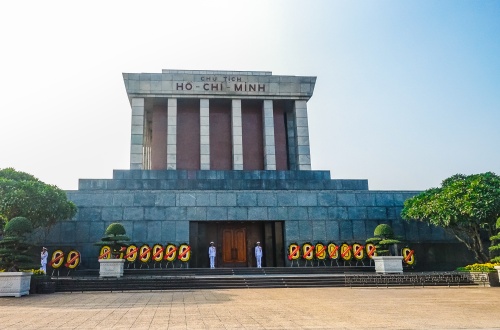 Ho Chi Minh Mausoleum
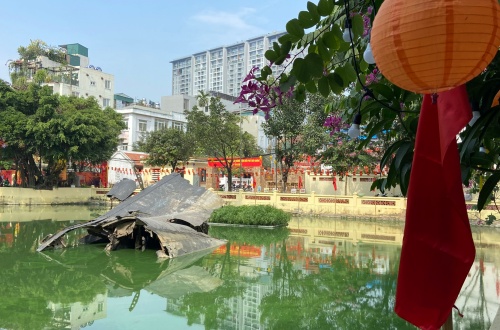 The aircraft wreckage in the B52 Lake
Eat lunch at KOTO Restaurant to enjoy Vietnamese-European mixed dishes. Vietnamese-Australian Jimmy Pham started the restaurant in 1999, and it offers two-year job training to poor Vietnamese students who are 16-22 years old.
After lunch, we will go to Hanoi's French Quarter to visit St. Joseph's Cathedral and the Opera House. Finished in 1886, the cathedral has tall neo-Gothic spires reaching the sky – students can even see them from far, and they look amazing. Then walk around Hoan Kiem Lake at dusk. This pretty oval lake takes up 12 hectares, and thick green plants plus old buildings show in its clear water. Tree-lined shores offer shady spots to get away from the city's bustle.
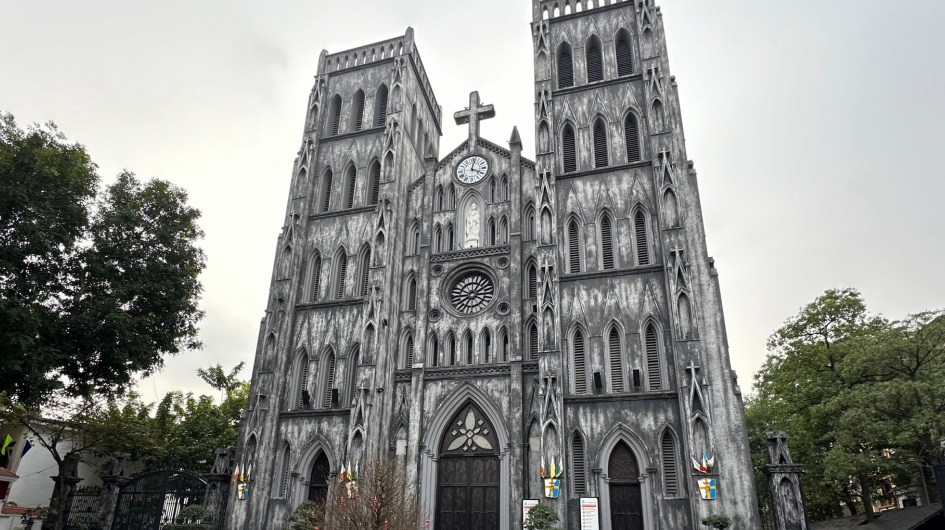 Hanoi's French Quarter
Your Journey's Rewards:
Absorb Hanoi's layered history in one day. Walk through big Socialist buildings. See Vietnam's wartime strength at B52 Lake. Taste fusion food and help Studentsng people grow. Admire Franco-Vietnamese colonial relics. Relax by the bright lakeside shows.
Educational Focus:
With the shown U.S. B-52 bomber wreckage and nearby memorial monument, how does B52 Lake show the Vietnamese nation's spirit of protecting the homeland and keeping national dignity?
Takeaway:
B52 Lake preserves the U.S. B-52 bomber wreckage shot down in the 1972 Christmas Bombings, and it's a real thing that carries Vietnam's national spirit of defending the homeland. The wreckage—left from foreign aggression—and the nearby memorial monument together make a space to remember wartime history. They turn the Vietnamese people's courage into something Students can see: this courage is resisting foreign forces to keep land whole and national power, and it comes from the nation's long tradition of fighting foreign invasion. The lake's victory meaning also strengthens the Vietnamese people's spirit of unity and persistence, so it's not just a historical place but a spiritual symbol that passes on the nation's determination to defend dignity and keep independence.
Thoughts Challenge:
When war relics are kept not alone but in communities that work, does people living near them every day make the violence they stand for seem normal, or make group memories more real?
We'll drive two hours south to reach spectacular Ninh Binh. The region includes towering karst mountains and peaceful river systems, and intricate cave networks which also served as filming locations for the 2017 Hollywood blockbuster Kong: Skull Island.
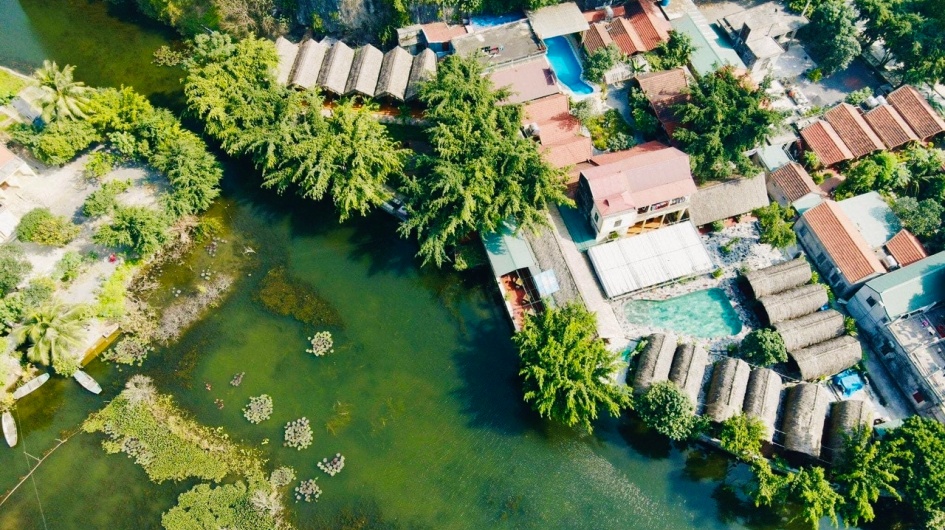
We will pick up bicycles after lunch to explore the distinctive terrain which features karst mountains together with terraced rice fields. The journey will lead students through traditional villages where they will observe water buffalo grazing which demonstrates rural life in Vietnam. Next, our journey includes a boat trip: we'll take a rowboat on calm waterways, go past big karst rocks and check out three caves.
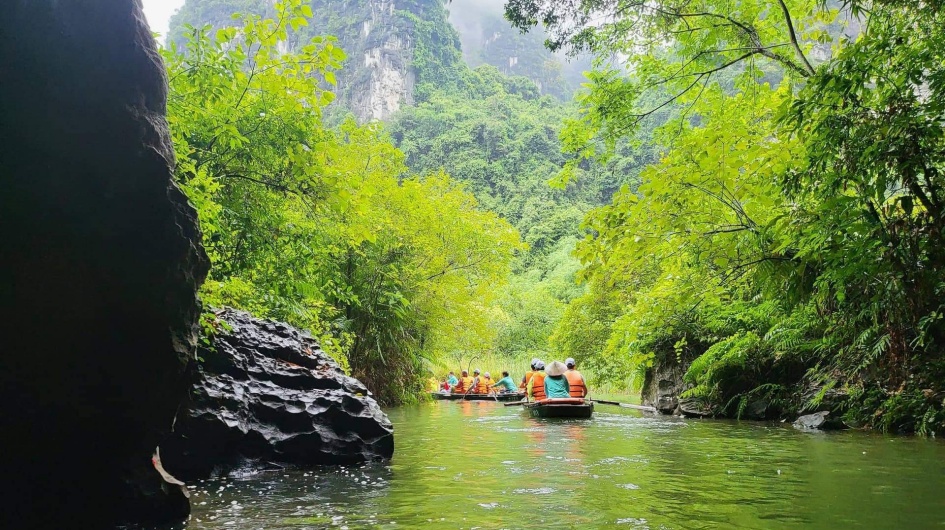 Pleasant boat trip
Your Journey's Rewards:
Enjoy the spectacular scenery of Ninh Binh's karst landscapes and terraced rice fields; cycle through traditional villages to observe rural ecology up close; take a rowboat to explore caves and experience the unique fun of water tours.
Educational Focus:
Through long-term coexistence, how do Ninh Binh's karst landscapes and terraced rice fields show how local residents adapt to and change the natural environment? For regional ecological protection and sustainable agricultural development, what useful ideas does this human-environment relationship give?
Takeaway:
Local residents in Ninh Binh have formed a balanced human-environment model through long-term production and daily life: the coexistence of karst landscapes and terraced rice fields. Since karst areas have exposed rocks and thin soil, residents build terraces to cut down soil erosion, use caves to adjust local climate and water resources, and develop agriculture and tourism based on the landscape.
This model does not just make use of the landscape and ecological value of karst terrain; it also gets food production through terraces, showing how people adapt and change natural conditions. For sustainable development, it gives a reference for balancing ecological protection and economic development in places with similar landforms. It proves human activities can live in harmony with nature if they follow natural laws, preventing nature if they follow natural laws, preventing ecological damage from over-development.
Thoughts Challenge:
When Ninh Binh gains more attention due to film shootings and tourism development, how to balance tourism economic growth and ecological protection on the basis of continuing the traditional balanced human-environment model, and avoid commercialization from impacting the original rural landscape and agricultural production model?
Go to Bich Dong Pagoda in the morning. It was built in the 10th-century Ly Dynasty, with three separate buildings. These buildings are split into upper, middle and lower levels along a cave, and they follow a "three" - shaped style. The whole pagoda uses wooden tenons, not nails, so it looks old, special and nice. Students can feel the quiet religious mood here and learn about Vietnam's Buddhist culture and religious traditions.
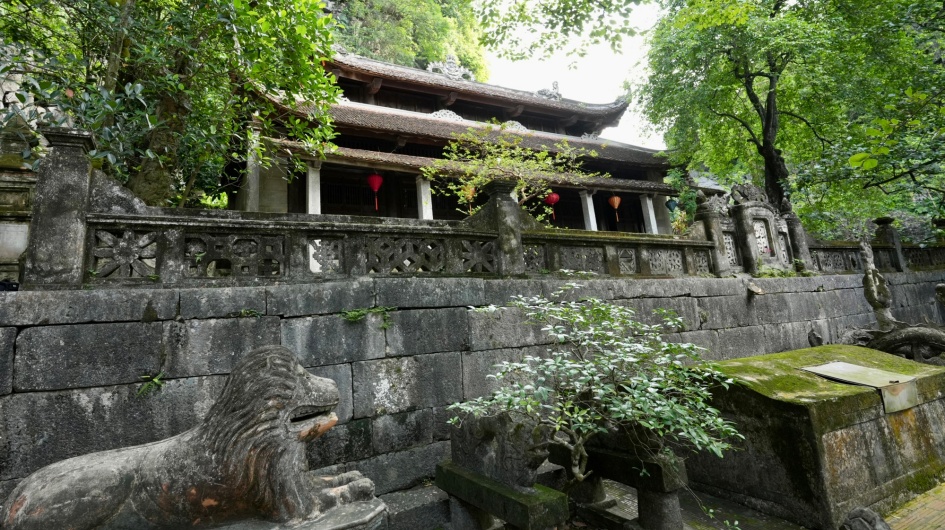 Bich Dong Pagoda
Our journey went on—we climbed 400 steps to get to Hang Mua viewing platform. From this high spot, students could wonder at the karst landscape of the amusement park they visited the day before, which helped them understand this special geological feature better.
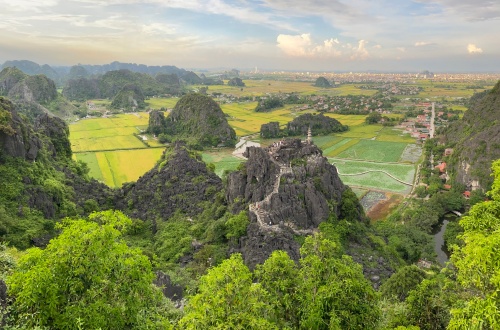 The 400 steps along the mountain ridge
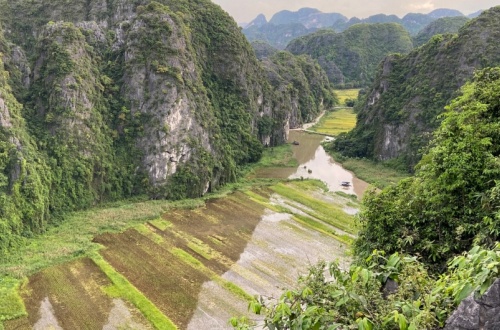 The scenery from the Hang Mua viewing platform
Next, visit Hoa Lu Ancient Citadel—there are two key spots for Students to see. To honor Dinh Bo Linh, who started Vietnam's Dinh Dynasty, people built the Temple of King Dinh. It lets Students learn about this important time in history. The Royal Processional Path is nearby; kings used it for ceremonies before, and it connected the citadel to an old weapons cave. Here, a smart water control system helped Vietnamese forces beat Chinese armies three times. This clever way of using karst landscape for defense and religious needs is 400 years older than France's Carcassonne Castle.
Your Journey's Rewards:
Admire Bich Dong Pagoda's unique wood - structured architecture; feel its mixed religious atmosphere. Enjoy Hang Mua Viewpoint's panoramic scenery; capture golden - hour photos. Explore Hoa Lu Ancient Citadel's historical sites; understand Dinh Dynasty's wisdom.
Educational Focus:
How did the Royal Processional Path at Hoa Lu Citadel show Vietnam's historical strategy—turning geographic limits into defensive benefits—during the Dinh Dynasty?
Takeaway:
The Royal Processional Path at Hoa Lu Citadel shows Vietnam's early skill in adapting to geographic strategy. In the 10th century, Vietnamese forces built hidden waterways in karst terrain. They used these to control the Bai Dang River tributary and push back invasions from three Chinese dynasties: Southern Han, Northern Song and Yuan.
This water system was combined with ceremonial routes and armories. It's one of the earliest known examples of turning land into a military tool—hundreds of years earlier than similar things in Europe. The infrastructure worked for both religion and military use. This tells us the Dinh Dynasty had a full way of governing: changing the environment to serve both spiritual needs and rule. This tech success proves that Vietnam's medieval states used their knowledge of land to make up for lacking materials. It also set a pattern for later resistance against foreign powers.
Thought Challenge:
When we do conservation work to protect cultural heritage sites like Hoa Lu's water systems now, which shows more respect for their historical meaning: keeping them in use (like still controlling water) or just restoring them to stay as they are?
In the morning, we will enter the charming Hoi An Ancient Town. Once a trading port, this town is renowned for its rich historical heritage, innovative spirit and cultural diversity. We will take a guided walking tour inside the ancient town to explore its time-honored buildings and learn about its role as a multicultural Silk Road trading hub.
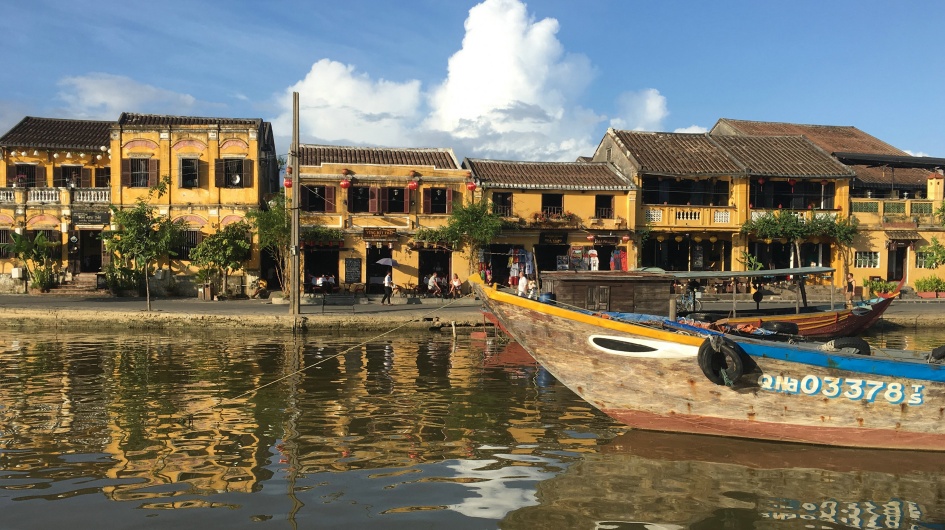 Hoi An Ancient Town
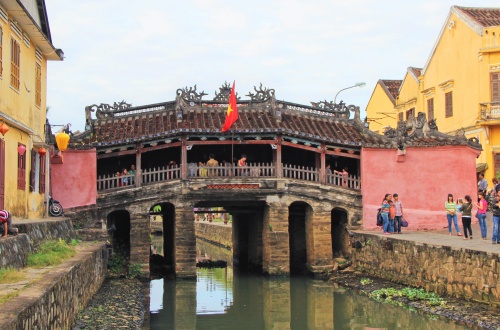 Hoi An Ancient Town's Japanese Covered Bridge
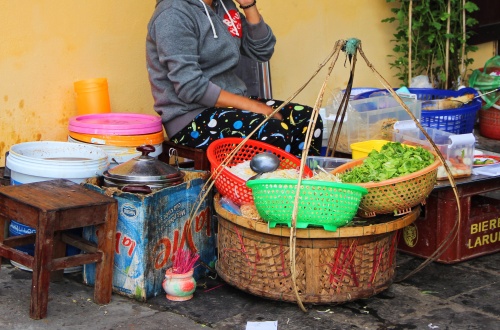 The woman selling Vietnamese food by the street
In the afternoon, we will head to Thanh Ha Pottery Village to experience traditional brick, tile and pottery-making techniques. Students will not only visit these long-established crafts but also make pottery by hand or paint ceramic patterns themselves. The afternoon itinerary will end with a lantern-making class, where students will assemble their own lanterns—adding a personalized touch to the experience and creating a unique souvenir to take home.
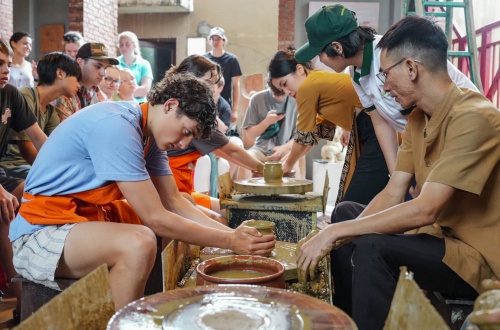 Make a pottery
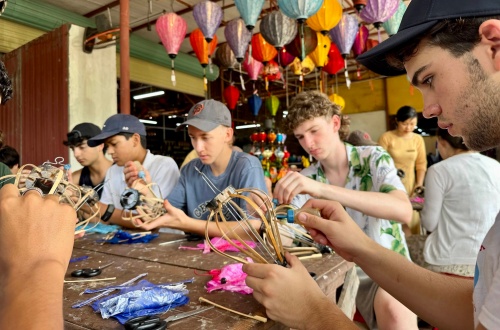 Making traditional Vietnamese lanterns
Your Journey's Rewards:
See the different buildings in Hoi An Ancient Town and learn its role in the Silk Road trade. Try traditional pottery-making in Thanh Ha Village, take part in putting lanterns together, and enjoy the special charm of history and craftsmanship.
Educational Focus:
Hoi An Ancient Town was once a maritime Silk Road trading port—how does the way its multiculturalism formed and changed show how different civilizations in Southeast Asia exchanged and mixed?
Takeaway:
From the 16th to 19th century, Hoi An Ancient Town was a trading hub on the Maritime Silk Road—and that's why it has a diverse culture. Chinese guild halls, Confucian culture, Japanese covered bridges, local customs, plus European trade ways and building elements have coexisted here long time. These different civilizations didn't clash; instead, they merged through trade and cooperation. This merge shows up not just in mixed architecture, but also in folk customs, food and other daily life aspects. Hoi An is now a model for civilization exchange in Southeast Asia—it stands for the Silk Road's spirit of peace, cooperation, openness and inclusiveness. It also gives a vivid example to study ancient cross-cultural interaction.
Thoughts Challenge:
In today's globalization, what specific tips can other historical towns—once trade hubs—get from Hoi An Ancient Town's way of protecting and passing on its multiculturalism?
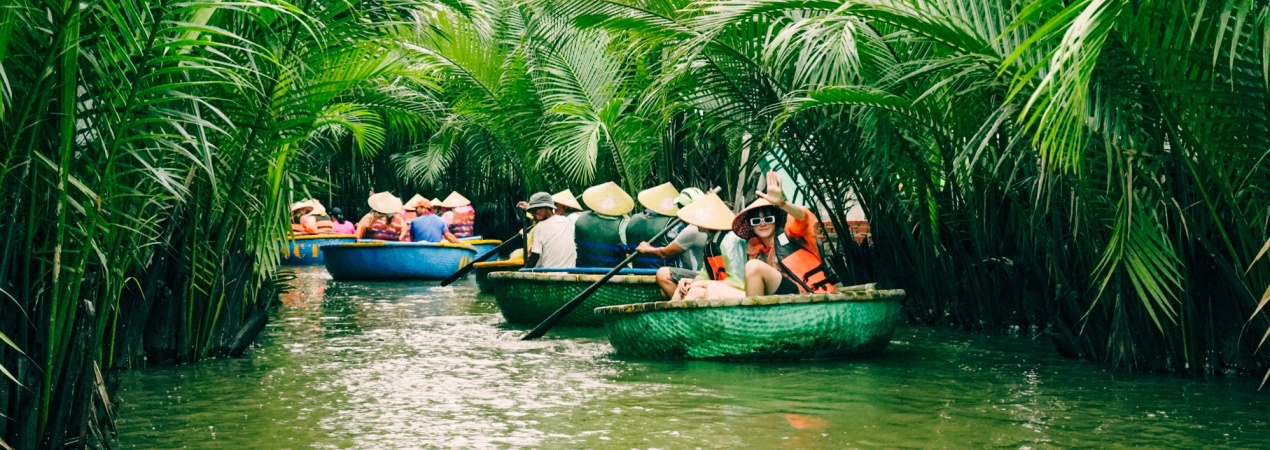
Morning, cycle to a serene beach in the morning, where we will take traditional Vietnamese bamboo basket boats to navigate narrow mangroves and coconut-lined water canals, and learn about the daily life of local farming communities. Along the way, we will pass a local village, where students may choose to stop briefly to enjoy the unique scenery of the Vietnamese countryside.
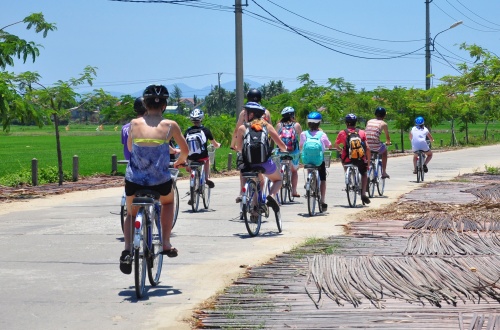 Cycle to a serene beach
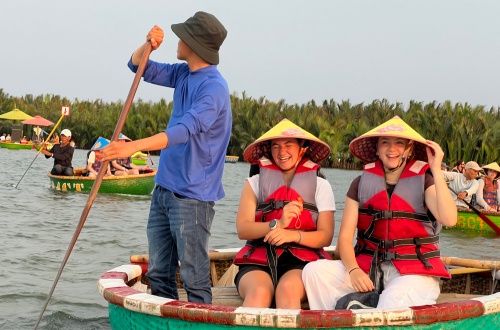 Take traditional Vietnamese bamboo basket boats
In the afternoon, join a cooking class led by a skilled local chef. Here, students can try their hands at making local specialties like Cao Lau, White Rose, and turmeric-marinated tuna steak wrapped in banana leaves. In the evening, students may also opt to visit a local tailor shop or have custom-fitted clothes made as needed.
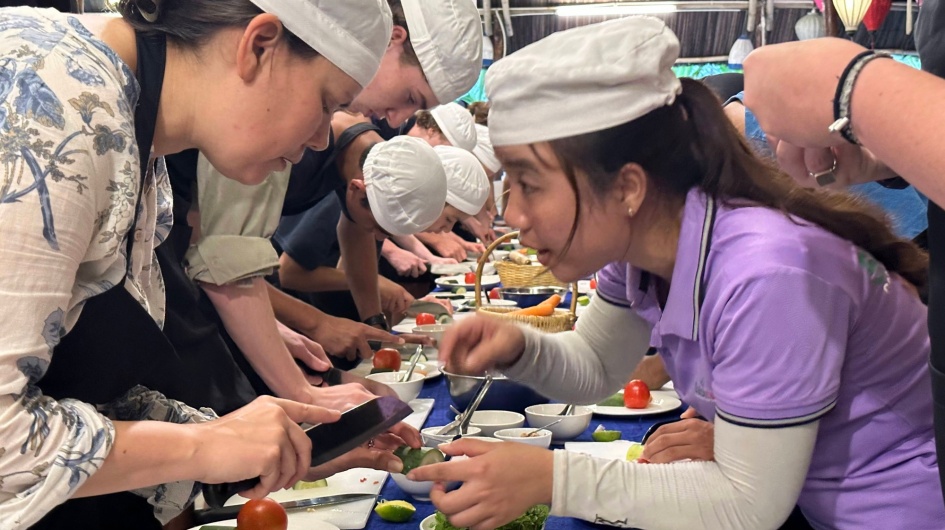 Making traditional Vietnamese cuisine
Your Journey's Rewards:
Cycle to explore the quiet beach and experience the fun of traveling through mangroves by bamboo basket boat; learn about the daily life of farming communities; master the making of Vietnamese specialty foods.
Educational Focus:
How do local residents show their wisdom in adapting to the coastal ecological environment through using traditional Vietnamese bamboo basket boats in mangroves and waterways? What interdependent relationship is there between this transport, the natural environment around and farming life?
Takeaway:
Local residents show their wisdom in adapting to the coastal ecosystem through traditional Vietnamese bamboo basket boats. Mangrove areas have narrow waterways and deep mud, so regular boats can barely pass. But bamboo basket boats—made from light bamboo—are light and have wide bottoms. They move easily through narrow waterways, don't get stuck in mud, and fit the special terrain well.
Bamboo basket boats are used not just for daily travel, but also to help farming communities catch aquatic life and carry supplies. They are an important link between residents' lives and the natural environment. Using this tool doesn't hurt the mangrove ecosystem; instead, it uses natural conditions to meet production and living needs. This shows human activities and the coastal ecosystem live in harmony, and it comes from local people's long experience of adapting to and using nature.
Thoughts Challenge:
As tourism development turns bamboo basket boats into experience activities, how to meet tourists' experience needs while preventing excessive use from burdening the mangrove waterway ecosystem, and at the same time protecting the farming life and cultural connotations behind this traditional tool?
We'll start the day with an exciting, intense "Great Race Challenge"! Several teams will be formed with the students, and once they get basic task instructions, they need to answer questions about Hoi An's Ancient Streets using the given information. They also have to finish the task of taking photos of key landmark buildings as required. The team that does the best in the tasks will surely get extra prizes, and this competition lets students feel Hoi An's Ancient Streets' old history firsthand while learning about its current development.
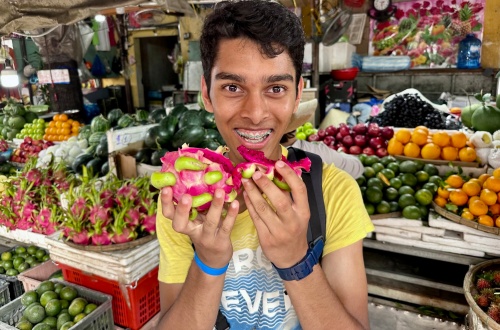 Finding tropical fruits of Vietnam in the competition
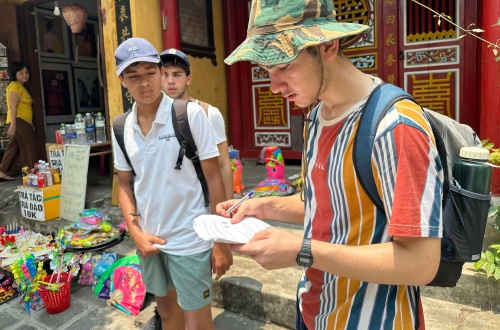 Cooperating in groups to find the hidden answers in the information
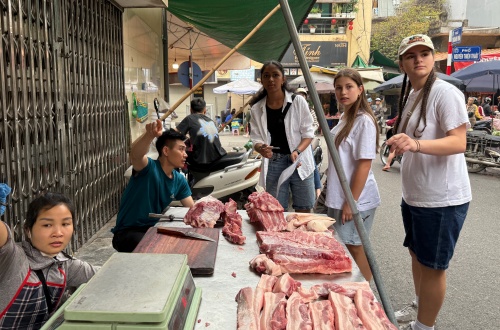 Asking local residents for help
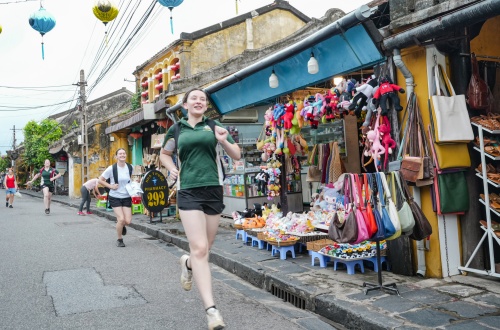 Racing for important information
In the afternoon, after the urban tour, we'll take a bus to Marble Mountain. Students will climb the gentle hillsides to explore Buddhist temples set in the rocky landscape. This adds a spiritual and cultural layer to their study tour experience.
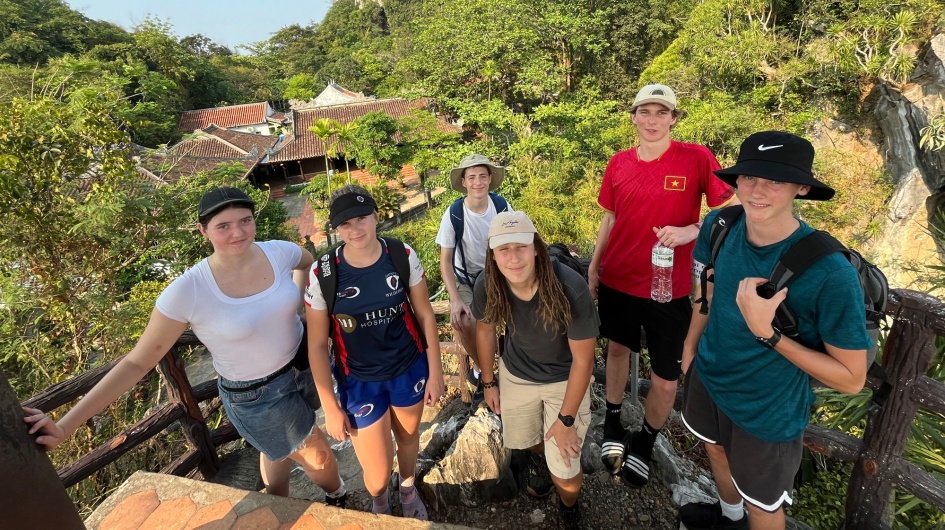 Taking a group photo while climbing the Marble Mountain
Your Journey's Rewards:
Enjoy exploring Hoi An's historic streets and win race prizes; see the Buddhist sacred sites in Marble Mountain's rocky landscape and the beautiful views of colorful lanterns lighting up the Thu Bon River's banks.
Educational Focus:
As a carrier of the integration of Vietnamese traditional and foreign cultures, how do the spatial laStudentst and architectural features of Hoi An's historic streets reflect the collision and coexistence of diverse cultures here in different periods, and what impact do they have on the formation and inheritance of the local urban landscape?
Takeaway:
Hoi An's historical streets and alleys have a spatial laStudentst that mixes the tight feel of traditional Vietnamese villages and the order from foreign commercial culture. When street shops and homes are combined, they fit local living needs and also meet the functions of past commercial activities. For buildings, Chinese verandas, Japanese verandas and traditional Vietnamese wooden houses all exist together. Wall decorations and window/door styles also take in elements from different cultures. This multi-cultural street scene not only creates Hoi An's unique urban landscape but also becomes a key symbol of local cultural identity. It gives a lively sample for studying how cultures changed in Southeast Asia's coastal commercial cities, and helps understand how cultural interaction pushes the passing down and development of urban landscapes.
Thought Challenge:
When we complete race tasks and experience cultural integration in Hoi An's historic streets, how can we, in future urban development, not only let such spaces carrying diverse cultures continue to play their experiential and educational values, but also avoid irreversible damage to their original cultural texture caused by over-commercialization or modern transformation?
Take a flight to Ho Chi Minh City in the early morning. Once Students arrive, the first stop is the Post Office. A French architect designed this Gothic-style building, and it's very unique. Next, walk to a French church – the Virgin Mary statue in front of it is solemn and dignified. After that, stroll down Colonial-style Street; there are neat French arcades on both sides, and local snack stalls line the street.
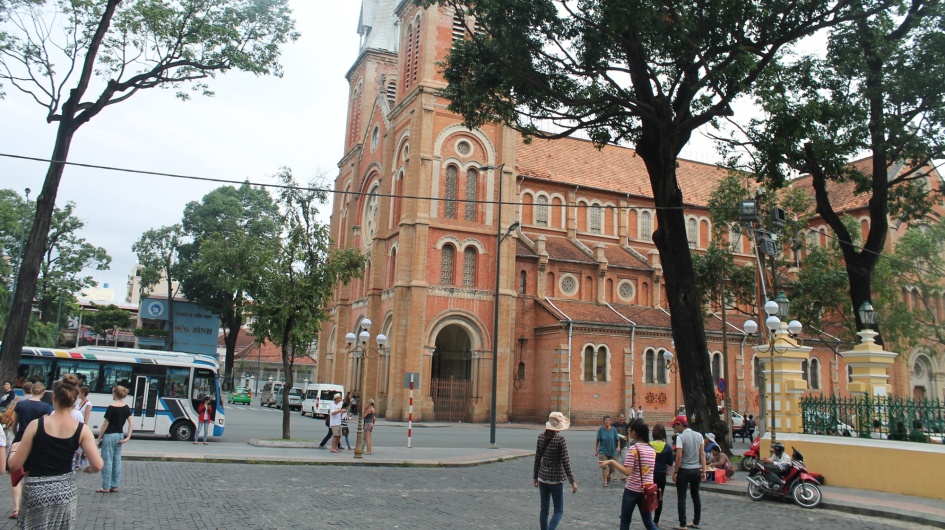 Beautiful French church
In the afternoon, visit the Reunification Palace. This building is solemn and grand, and it witnessed Vietnam's historical turning point. In the screening hall, watch a 30-minute historical film – it helps Students understand the tense situation and historical changes at the end of the Vietnam-America War. Then see the combat command room, the presidential reception hall and the helicopter evacuation platform on the roof. All of these were important places that showed the history at the end of the war.
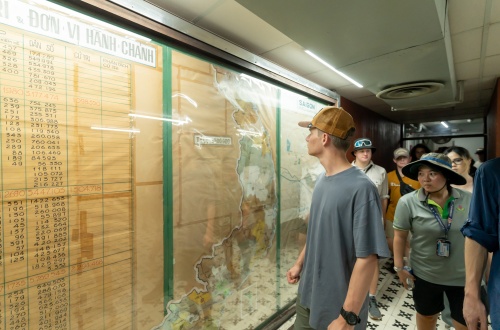 Visiting Reunification Palace
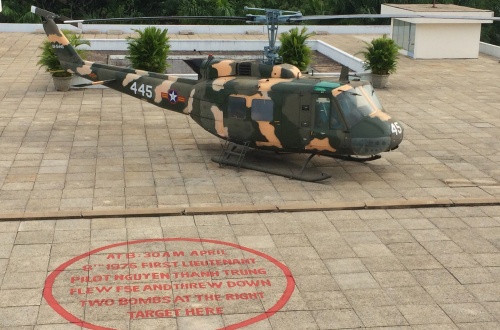 Helicopter evacuation platform
In the evening, go to a well-known local restaurant. With soft lights and nice Vietnamese music around, taste the real Vietnamese food carefully. This makes the day's trip end perfectly.
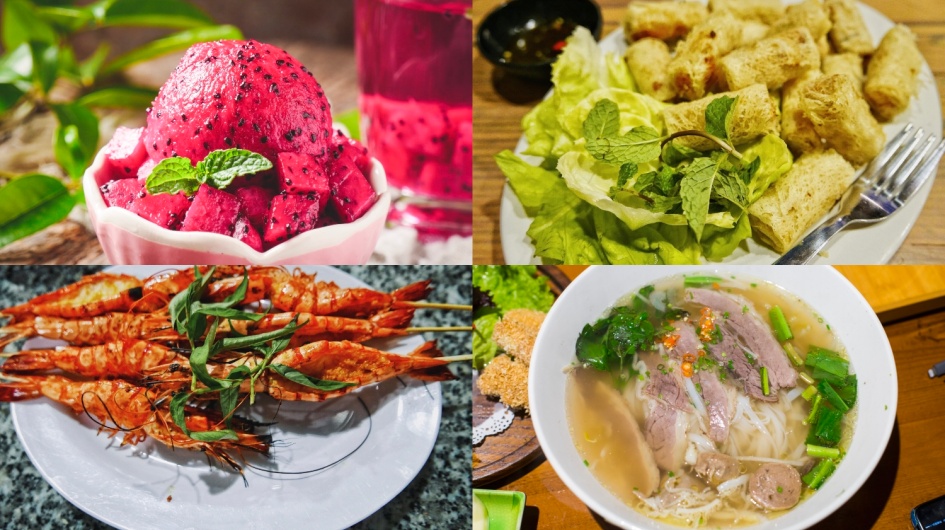 Delicous Vietnamese food
Your Journey's Rewards:
Admire the unique Gothic-style architecture of the Post Office and the solemn Virgin Mary statue in front of the church; wander the colonial-style streets to see neat French arcades blend with local food stalls; explore the historical scenes of the Reunification Palace and taste authentic Vietnamese food to bring a perfect end to the day's trip.
Educational Focus:
As an iconic building of Ho Chi Minh City's colonial era, the Post Office carries the marks of colonial history and the nation's past sufferings. In modern times, how should we view such colonial cultural heritage dialectically, balance its historical value with national sentiments, and help the development of local culture?
Takeaway:
To look at colonial cultural heritage like the Post Office in a balanced way, Students need to consider both history and real life. As a material relic of colonial rule, it records the nation's oppressed past and holds collective painful memories—and this historical part can't be ignored. In real terms, its Gothic-style architecture has special artistic value; it still works for the city's public needs today and is part of cultural exchanges and city views. Don't fully reject its current value just because of its colonial history, and don't praise colonial influence too much without thinking about history. Only by accepting history honestly and using its present value wisely can Students respect national feelings, turn such heritage into a link between past and future, and help local culture develop in many ways.
Thought Challenge:
After recognizing that we need to view colonial cultural heritage like the Post Office in a dialectical way, how can we avoid one-sided interpretations when spreading its value to the public in the future, help people understand its historical background while viewing its contemporary significance rationally, and thus truly achieve positive interaction between historical memory and real-world development?
We'll head to the Cu Chi Tunnels on today's trip. This vast underground network shows how tough and smart the Vietnamese people were during the Vietnam War. To learn a lot about the tunnels, students will explore them and watch a promotional video. The video shows how simple booby traps affected U.S. troops a lot. We can see termite mounds—they were used as hidden entrances. We can also see smokeless fires for cooking inside the tunnels, and how Viet Cong soldiers made simple weapons with basic materials.
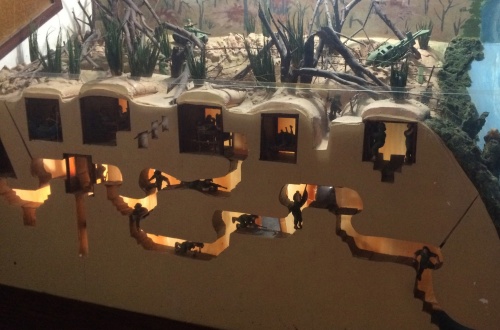 The cross-sectional model of the Cu Chi Tunnels
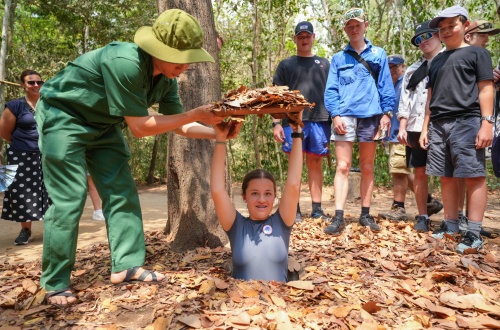 The interpreter explaining how to enter the tunnel
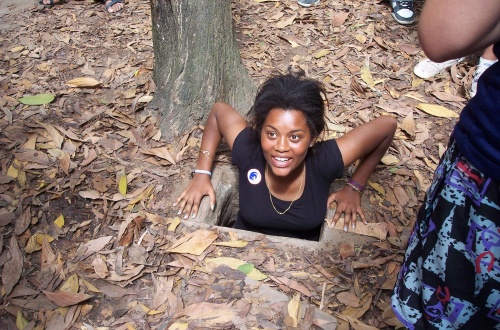 Entering the tunnel
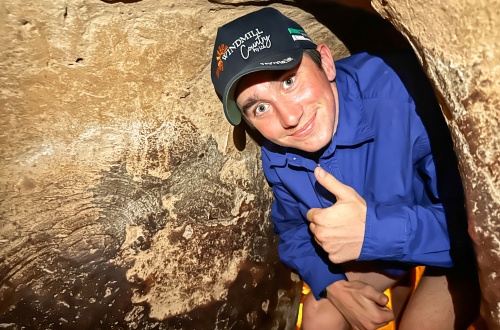 Inside of the tunnel
We'll go back to Ho Chi Minh City. If there is still time, we will to visit Ben Thanh Market and buy souvenirs to take home. Our guide will take you to the airport, so you can catch the return flight.
Your Journey's Rewards:
Visit the Cu Chi Tunnels to feel the underground defense system during the Vietnam War firsthand; watch a documentary and explore the tunnels in person to learn how simple traps and weapons were made.
Educational Focus:
How do designs like hidden entrances in termite mounds and smokeless stoves in the Cu Chi Tunnels show how the Vietnamese people used and adapted to the natural environment during the war? What meaning does this adaptive design have for understanding the wisdom of ordinary people in asymmetric warfare?
Takeaway:
The Cu Chi Tunnels' design shows clearly how the Vietnamese people used nature and adapted to the environment in asymmetric warfare. Hidden entrances in termite mounds take the shape of natural insect nests to fit right into the area around, so they avoid U.S. aerial and ground surveillance. Smokeless stoves cut down smoke with special ventilation structures, stopping underground activities from being found because of cooking smoke.
Both use low-cost, simple ways to turn natural features into defensive pluses. They meet underground survival and combat needs and keep the risk of exposure as low as possible. This design doesn't depend on advanced weapons and equipment like traditional warfare does. It shows the smart, new ideas ordinary people had for survival in the war, and gives a key example to understand how the weaker side in asymmetric warfare survives and adapts to the environment.
Thought Challenge:
When the Cu Chi Tunnels open to the public as a war site, how to show their military defense value and ordinary people's wisdom?
This tour is suitable for: Students, Teachers, Schools, Educational Groups, Families, Educational Travelers
What's Included
- All accommodation, transport, activities, entrance costs and other programs as described in the itinerary
- 2 internal flights. Hanoi to Danang & Danang to Ho Chi Minh City
- Professional tour leader throughout the trip & additional specialist guides
- Extensive destination-specific risk management and assessment
- Meals as listed in the itinerary
- 24-hour IN-COUNTRY support
- Tips for tour leaders, local guides & drivers
Wechat & WhatsApp: +86-13471279378