- Home
- Asia Tours
- CET-TH-05
North Thailand Educational Tour
Itinerary at a Glance
| Day | Location | Highlights |
|---|---|---|
| D1 | Chiang Mai | Arrive; hotel check-in |
| D2 | Chiang Mai | Take tuk-tuk: visit ancient brick moat & Chedi Luang ; go to Bo Sang Umbrella Village learn umbrella-making; join Thai cooking class |
| D3 | Chiang Mai | Attend authentic Muay Thai class; then go white water rafting; visit tribal village; explore night market |
| D4 | Chiang Mai (Sri Lanna National Park, Mae Ngat Lake, Doi Su Thep Temple) | Drive to Sri Lanna National Park & Mae Ngat Lake: take fast boat to floating recreational area; late afternoon: visit Doi Su Thep Temple |
| D5,6,7 | Chiang Dao | Start community project: help Palong refugee village build small dam (or renovate school/construct house) |
| D8 | Chiang Dao → Chiang Mai → Chiang Rai Airport | Complete community project & attend official handover ceremony; travel to Chiang Mai’s elephant sanctuary; then head to Chiang Rai Airport; tour ends |
Trip Highlights
- Ride a tuk-tuk to visit Wat Chedi Luang and the ancient moat
- Learn Thai cooking skills in a hands-on class
- Join an authentic Muay Thai class to learn close-combat and work out
- Participate in community projects in Chiang Dao's tribal areas to support local communities
- Walk with elephants in a sanctuary and learn about elephant conservation efforts
Tour Essentials

Quality
No Shopping Traps

Group Type
Private

Tour Focus
Culture, Community Service

Accommodation
Nights:7

Best Season
Spring, Summer, Autumn, Winter
Full itinerary for North Thailand Educational Tour
Upon arriving in Chiang Mai, your tour guide and driver will welcome you and take you to the hotel. During the journey, you will listen to the guide explain the itinerary for the next few days as well as relevant notes. After arriving at the hotel, you can rest to recharge your energy for the upcoming trip.
Depart after breakfast to explore Chiang Mai. Take a tuk-tuk ride to explore the 700-year-old ancient brick moat in Chiang Mai's old town and learn about its important functions. You will also arrive at Wat Chedi Luang, the tallest temple in Chiang Mai's old town, which combines multiple styles including Lanna and Indian styles. Here, you will visit the reclining Buddha and an in-use monastery, as well as learn about Thai Buddhism.
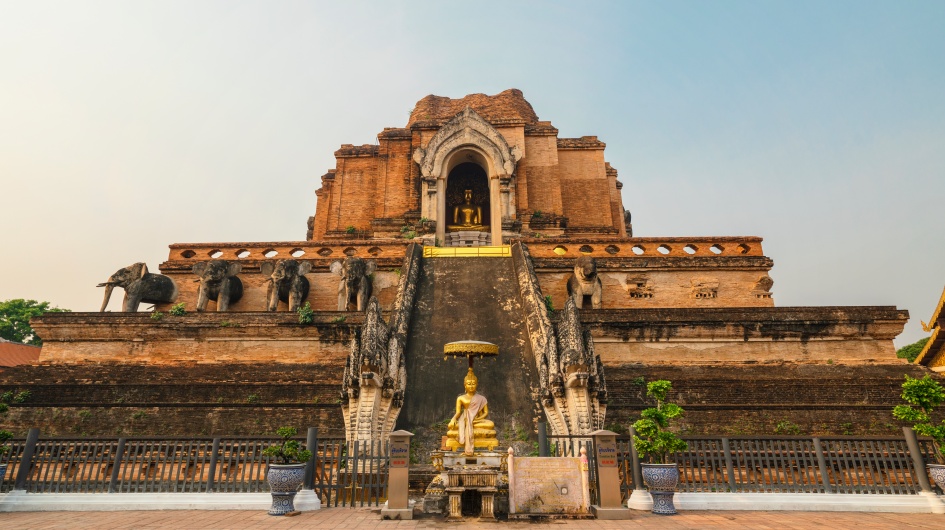 Wat Chedi Luang
After the tuk-tuk ride, head to Bo Sang Umbrella Village, which has a history of over 200 years in umbrella-making and is famous for crafting hand-made paper umbrellas. Visit the colorful and exquisite hand-made paper umbrellas here, learn about the umbrella-making process and experience its artistic value. Under professional guidance, you will hand-paint a paper umbrella and create a unique umbrella pattern. Of course, you can take the work you created with you.
 Colorful Paper Umbrellas
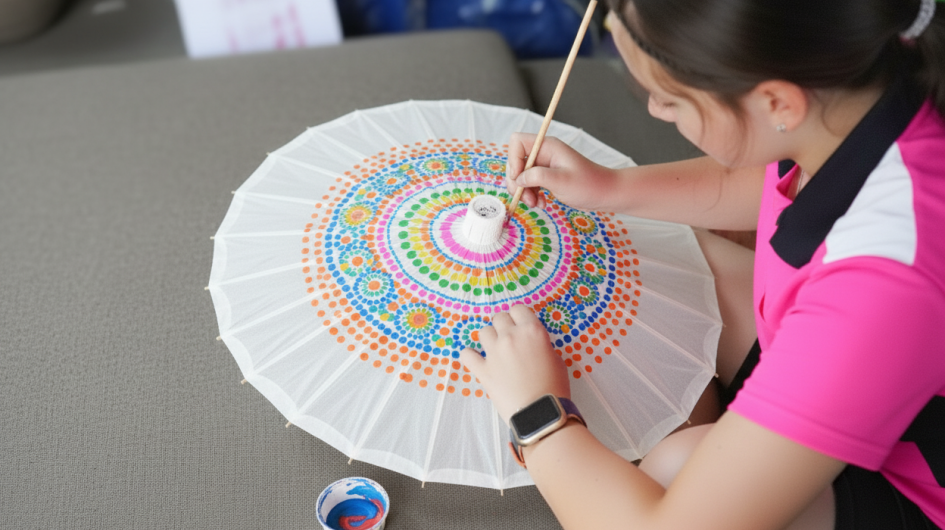 Experience Hand-Painted Paper Umbrella Making
In the afternoon, you will attend a Thai cooking class. Led by a senior local chef, you will learn about the essential ingredients and cooking techniques of Thai cuisine.
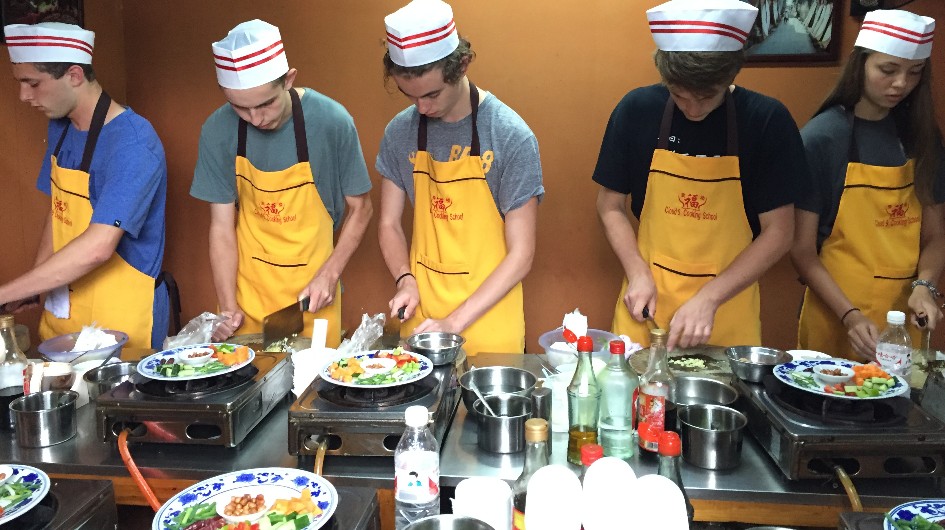 Thai Cooking Class
Your Journey’s Rewards:
Visit Wat Chedi Luang to understand the significance of Thai Buddhism to Thailand. Experience hand-painted umbrella/parasol making at Bo Sang Umbrella Village, learn the umbrella-making process and feel the artistic value of paper umbrellas. Learn the characteristics and cooking techniques of Thai cuisine in the Thai cooking class.
Educational Focus:
What are the characteristics of Thailand’s food culture?
Takeaway:
Thailand's food culture has unique characteristics. Thai dishes focus on sour, sweet and spicy flavors, and are good at combining various natural ingredients and seasonings with a variety of spices. However, the cooking methods are relatively simple, generally divided into several types such as stir-frying, stewing, steaming, frying, baking and salad-making.
Thought Challenge:
What factors are related to the formation of Thailand’s unique food culture?
In the morning, you will attend an authentic Muay Thai boxing class. Muay Thai, known as the "Art of Eight Limbs", is a full-body workout that can improve your physical coordination. Under the guidance of a coach with profound Muay Thai experience, you will learn traditional Muay Thai techniques. This not only exercises your body but also enables you to acquire a self-defense skill.
After the class, you will head to a scenic spot in northern Chiang Mai to experience white water rafting. During the rafting trip, you can enjoy the beautiful scenery of Thailand's rainforest. Afterward, you will visit a tribal village where ethnic minority groups like the Long Neck Karen tribe reside. There, you can learn about some ethnic customs.
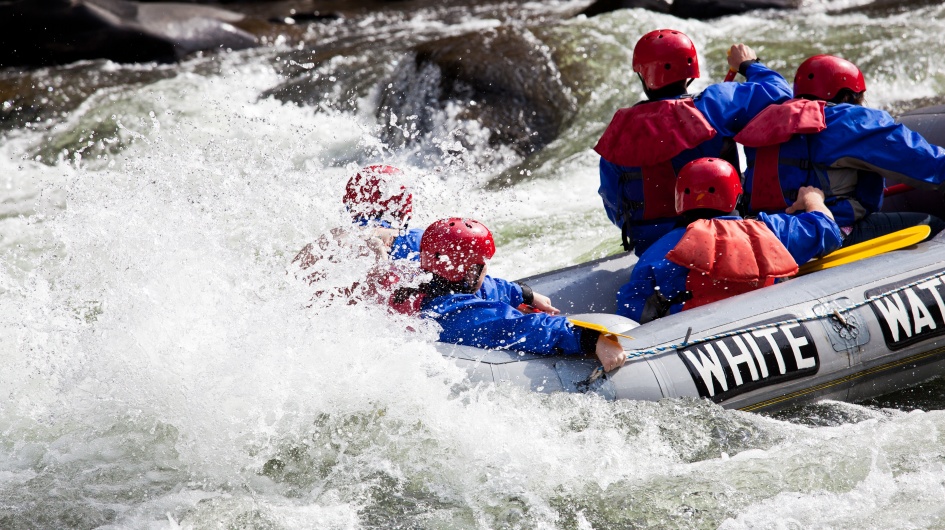 White Water Rafting
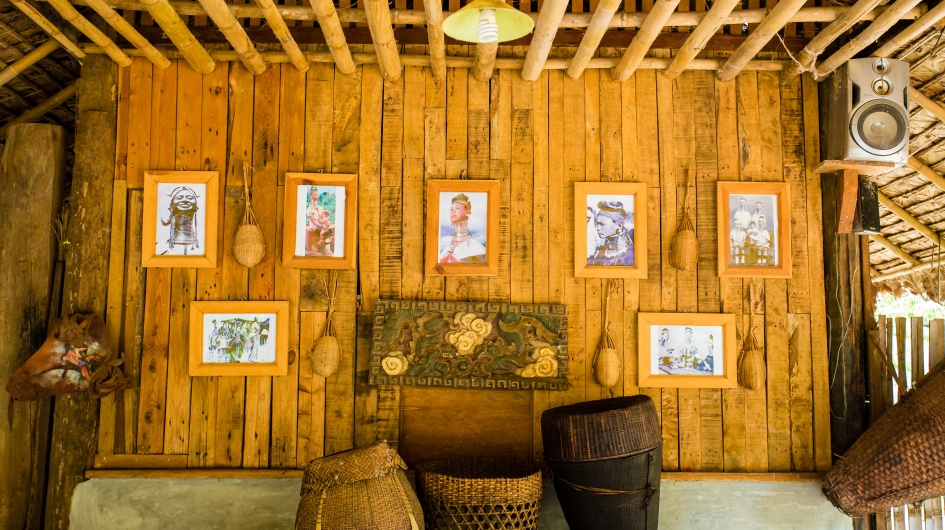 Explore Ethnic Culture in Tribal Villages
In the evening, you can explore the night market in the urban area, taste some Thai specialty snacks and explore some handicrafts, which will help you gain a deeper understanding of Thailand's folk customs.
 Explore a Night Market in Chiang Mai
Your Journey’s Rewards:
Learn Muay Thai to improve physical coordination. Learn about ethnic minority customs in the tribal village. Visit Thailand's night market to experience Thailand's nightlife culture.
Educational Focus:
Muay Thai is known as the "Art of Eight Limbs" — what is the "Art of Eight Limbs"?
Takeaway:
Muay Thai mainly uses the eight parts of the body (two fists, two legs, two elbows, two knees) as eight weapons for attack, hence it is called the "Art of Eight Limbs" or the "Science of Eight Limbs". The fist techniques include jabs, hooks, swings, etc., which are similar to Western boxing; the elbows can be used to strike in multiple directions; the knees can be used for thrusting, kicking, sweeping, striking, etc.; the leg techniques include sweeping, kicking, pushing, stomping, pointing, etc.
Thought Challenge:
During Muay Thai training, some tourists may regard it as "combat skill learning", overly pursuing offensive movements while ignoring its cultural connotations. How to guide tourists to shift from "skill training" to understanding the cultural spirits of "perseverance and humility" behind Muay Thai?
In the morning, a driver will take you to Sri Lanna National Park and Mae Ngat Lake. As an important water source in Chiang Mai, the lake is famous for its clear water. Then you will take a speedboat to a water recreation area, where you can enjoy swimming, kayaking and restaurant facilities, and immerse yourself in the natural scenery of the lake.
In the evening, you will visit Doi Su Thep Temple, where you can overlook the entire city of Chiang Mai. You will walk around to admire the chedis (Buddhist stupas) here, and listen to the guide explain the history of Doi Su Thep Temple and local traditions, including the custom of ringing the bell before walking down the dragon stairs.
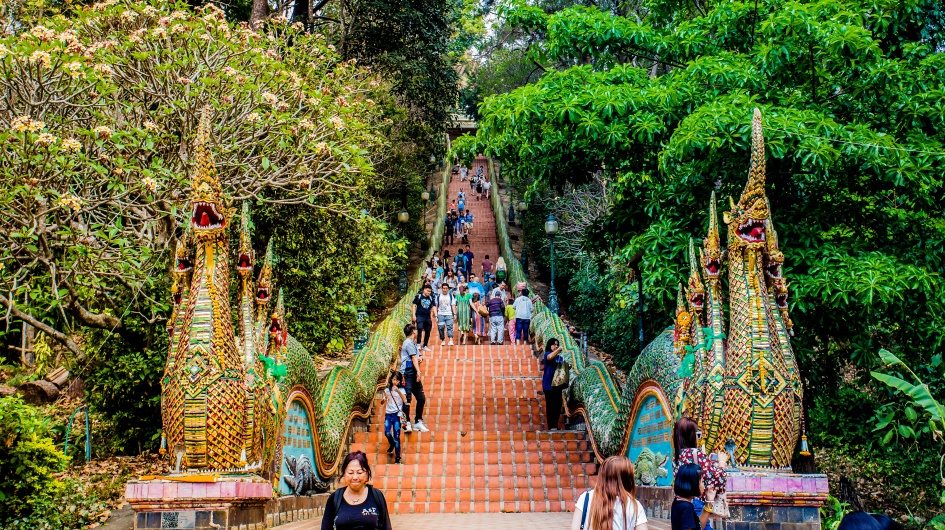 Visit Doi Su Thep Temple
Your Journey’s Rewards:
Experience the natural scenery of Sri Lanna National Park and Mae Ngat Lake, and relax there. Overlook the entire city of Chiang Mai at Doi Su Thep Temple and learn historical and cultural knowledge.
Educational Focus:
What Buddhist activities are there at Doi Su Thep Temple?
Takeaway:
Monks conduct daily chanting ceremonies, as well as blessing rituals—in which believers hold flowers and incense candles, walk around the chedi three times to pray to the Buddha for peace and blessings. There are also almsgiving and offerings: believers give alms such as food, flowers and incense candles to monks to show respect for Buddhist teachings and accumulate merit. In addition, there are some traditional festival activities in the temple, such as Magha Puja Day, Buddhist Lent Day and Asalha Puja Day.
Thought Challenge:
Why is Buddhist culture important to Thailand?
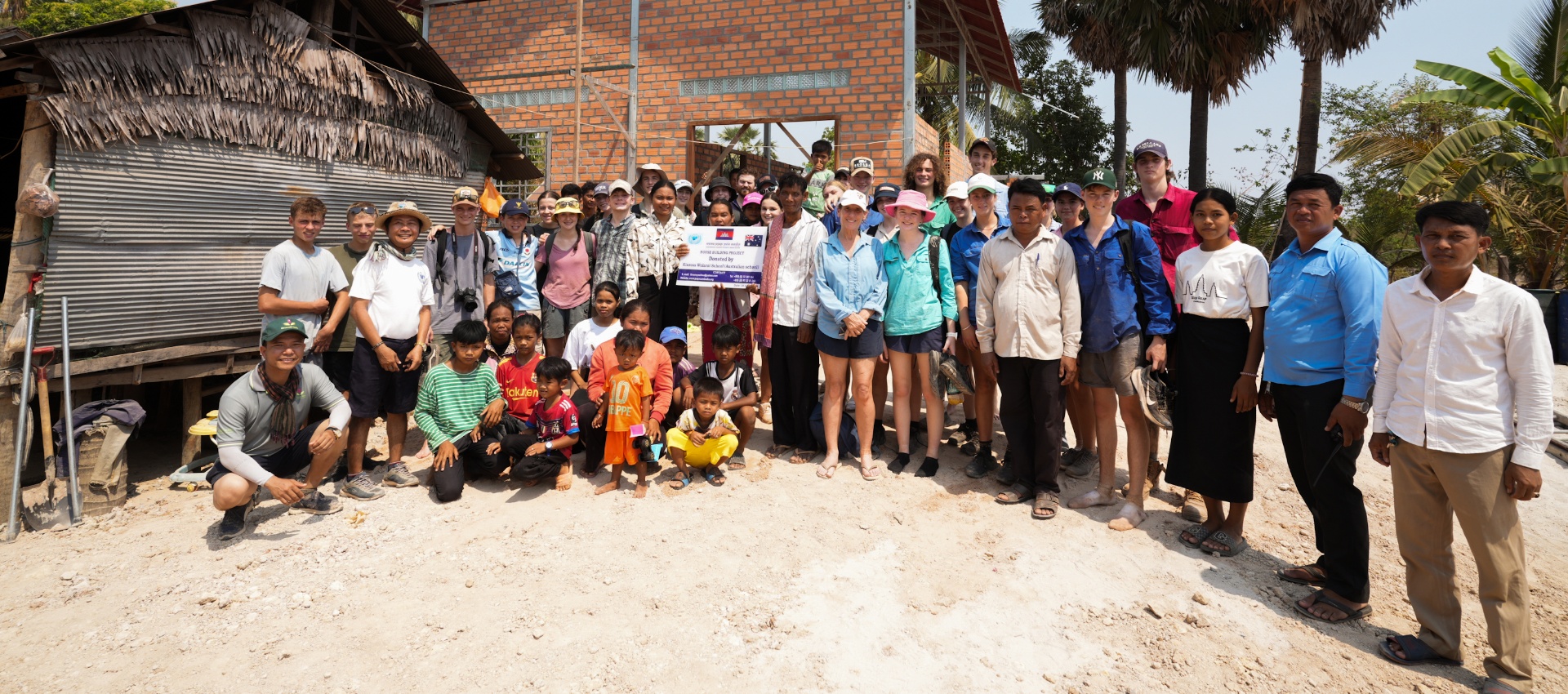
You will have three days to experience some community projects in the mountain tribal area of Chiang Dao. This northern region became a refuge for many ethnic minorities such as the Karen and Palaung tribes who fled from neighboring Myanmar in the 1990s. Here, you will help a Palaung refugee village build a small dam, or renovate their school or construct houses for them.
You will join local residents in various physical construction tasks, including bricklaying, cement mixing and landscaping, and can learn a variety of skills in the process. You can also communicate with the villagers to learn about the local traditional customs and history of the Palaung tribe. Each day, you will return to a comfortable hotel.
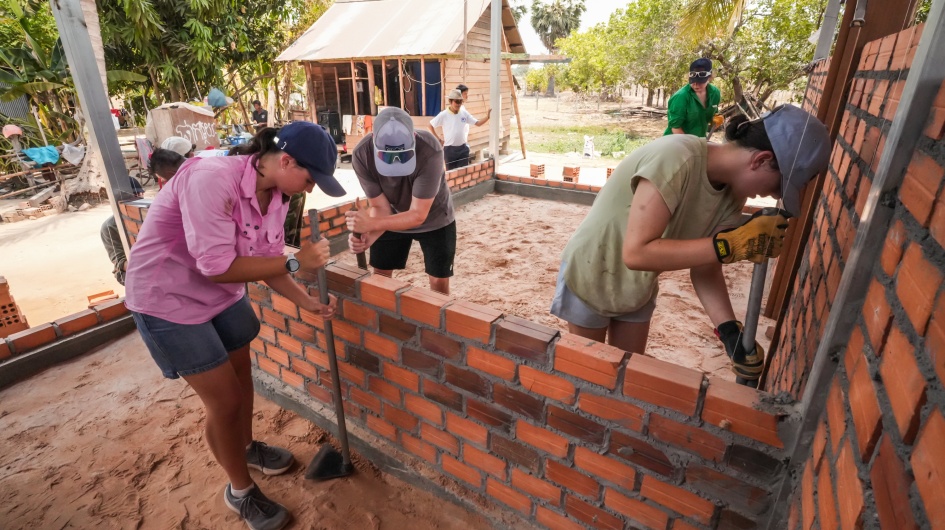 House Construction
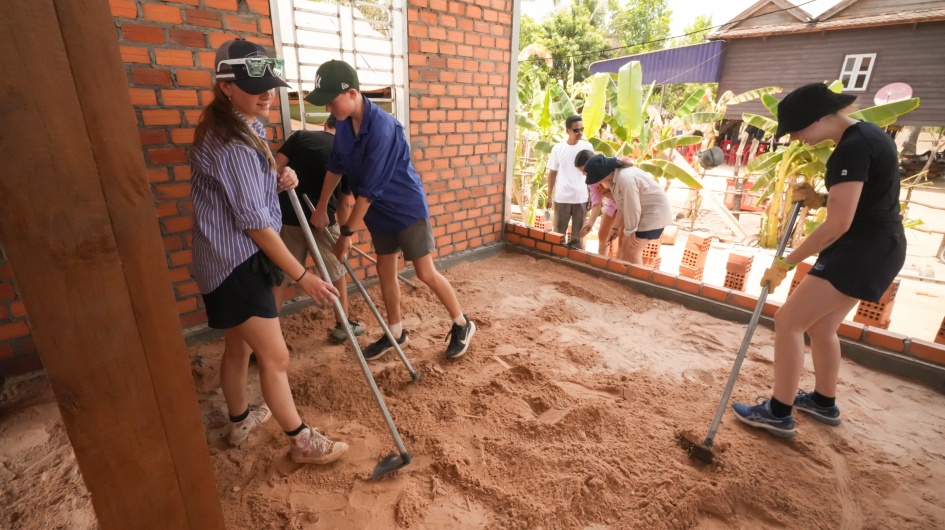 Student Collaboration
Your Journey’s Rewards:
Participate in community projects to improve personal skills, while learning about ethnic minority cultures and contributing to the local sustainable development.
Educational Focus:
How many ethnic groups are there in the mountain tribal area of Chiang Dao?
Takeaway:
The mountain tribal area of Chiang Dao is mainly inhabited by multiple ethnic groups, including the Lahu, Lisu, Karen and Akha tribes. These ethnic groups have preserved their respective traditional customs, costumes and lifestyles here.
Thought Challenge:
The ethnic groups in the mountain tribal area of Chiang Dao come from different places and have different languages and cultures. How do they communicate with each other?
After completing the community project, you will attend a handover ceremony and then return to Chiang Mai. On the way, you will arrive at an elephant sanctuary to learn about elephants' living habits and discuss elephant conservation work with professionals. You can walk with elephants in the forest, and then head to Chiang Rai Airport to check in for your flight—your trip ends here.
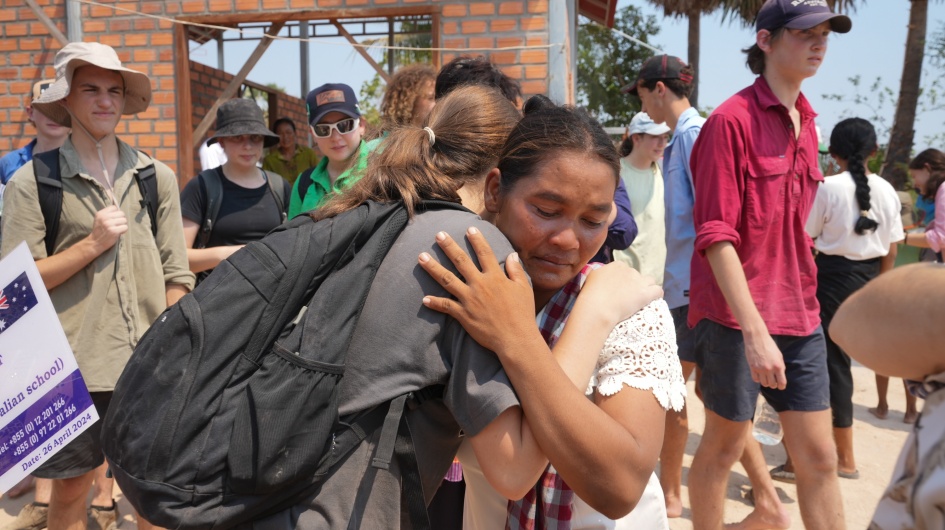 Farewell to Villagers After Community Project Conclusion
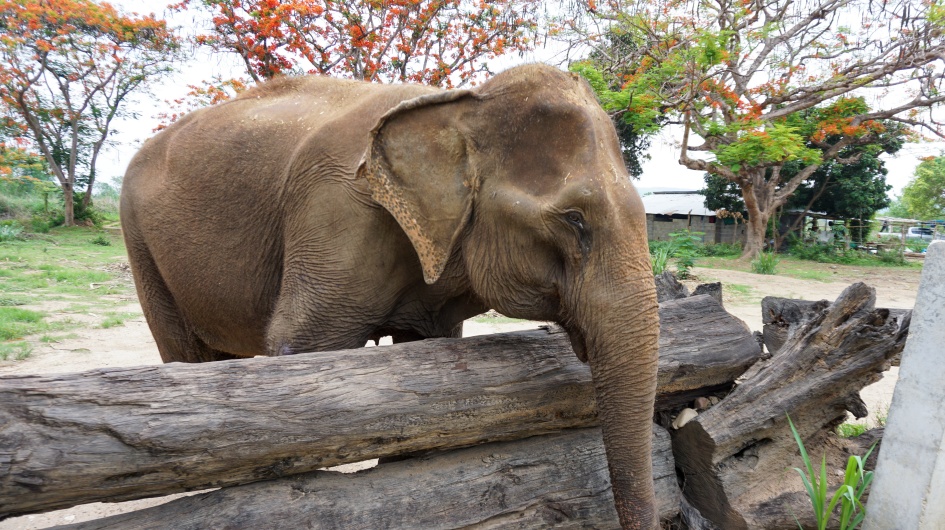 Visit to an Elephant Sanctuary
Your Journey’s Rewards:
Learn about elephants' living habits and acquire elephant conservation knowledge at the elephant sanctuary.
Educational Focus:
What are the aspects of elephant conservation work?
Takeaway:
Common aspects of elephant conservation work include habitat protection and restoration, which involve establishing elephant nature reserves, restoring ecological corridors, and building dedicated food source bases. In addition, infrared cameras and drone monitoring systems are set up, and teams of full-time monitors are organized to ensure the safety of wild elephants.
Thought Challenge:
What are the specific tasks involved in the restoration of ecological corridors?
This tour is suitable for: School, Family, Team Building
What’s Included
- All accommodation, transport, activities, entrance costs and other programs as described in the itinerary
- Professional tour leader throughout the trip & additional specialist guides
- Extensive destination-specific risk management and assessment
- Cost of a dam building project valued at US$2,400
- 24-hour IN-COUNTRY support
- Certificate of Achievement (including community service, activities, and skills developed)
- Tips for tour leaders, local guides & drivers
Wechat & WhatsApp: +86-13471279378